Manual privacy reviews were time-consuming, inconsistent, and left users overwhelmed by complex compliance criteria. Risk indicators were unclear, leading to missed issues and eroding trust in the process. Teams found it challenging to quickly identify and act on high-priority privacy risks, increasing the chance of regulatory gaps
The Problem
Privacy automation system that flags risks directly within the assessment workflow and provides clear, contextual guidance. A specific focus was placed on Data Sharing & Transfers, where the system now scans for specific sharing indicators and flags them instantly for the reviewer. This solution reduced review times, improved the consistency of risk detection, and increased user confidence by making the process transparent and reliable.
The Solution
Workflow & User Journey
The system was designed to support the user through the entire lifecycle of risk detection, from initial setup to long-term maintenance.
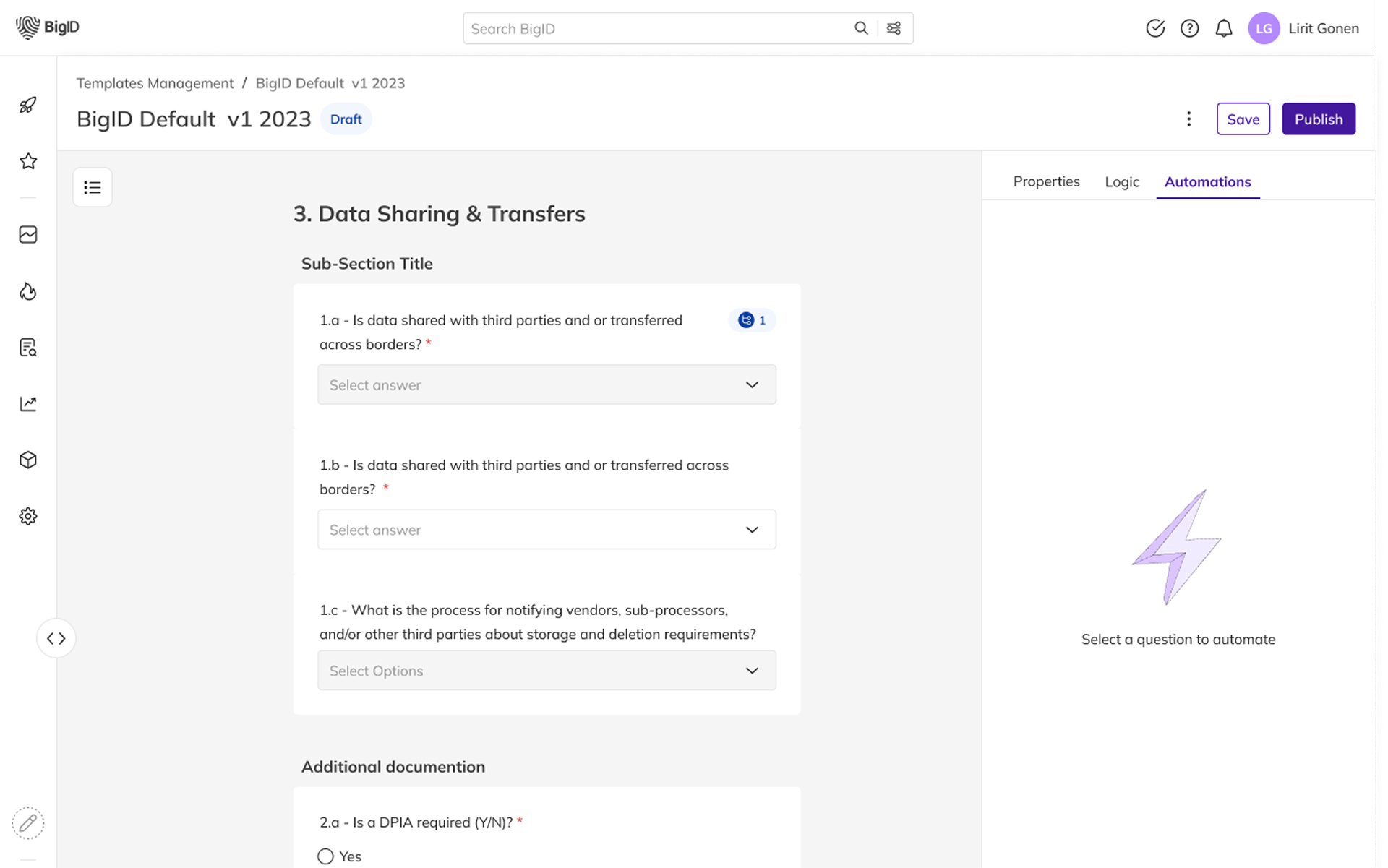
The user begins by opening a privacy assessment and navigating to the new Automation tab
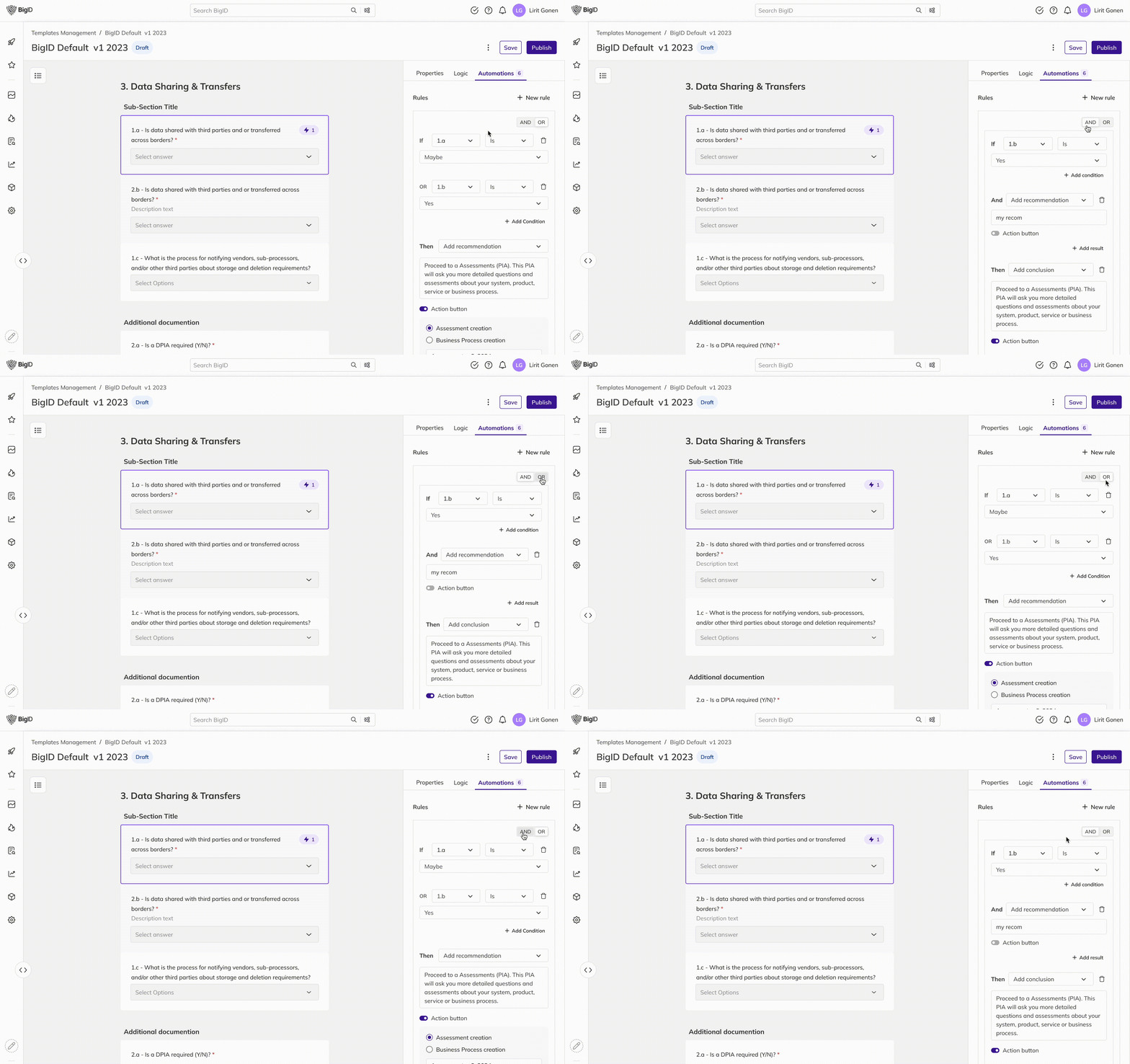
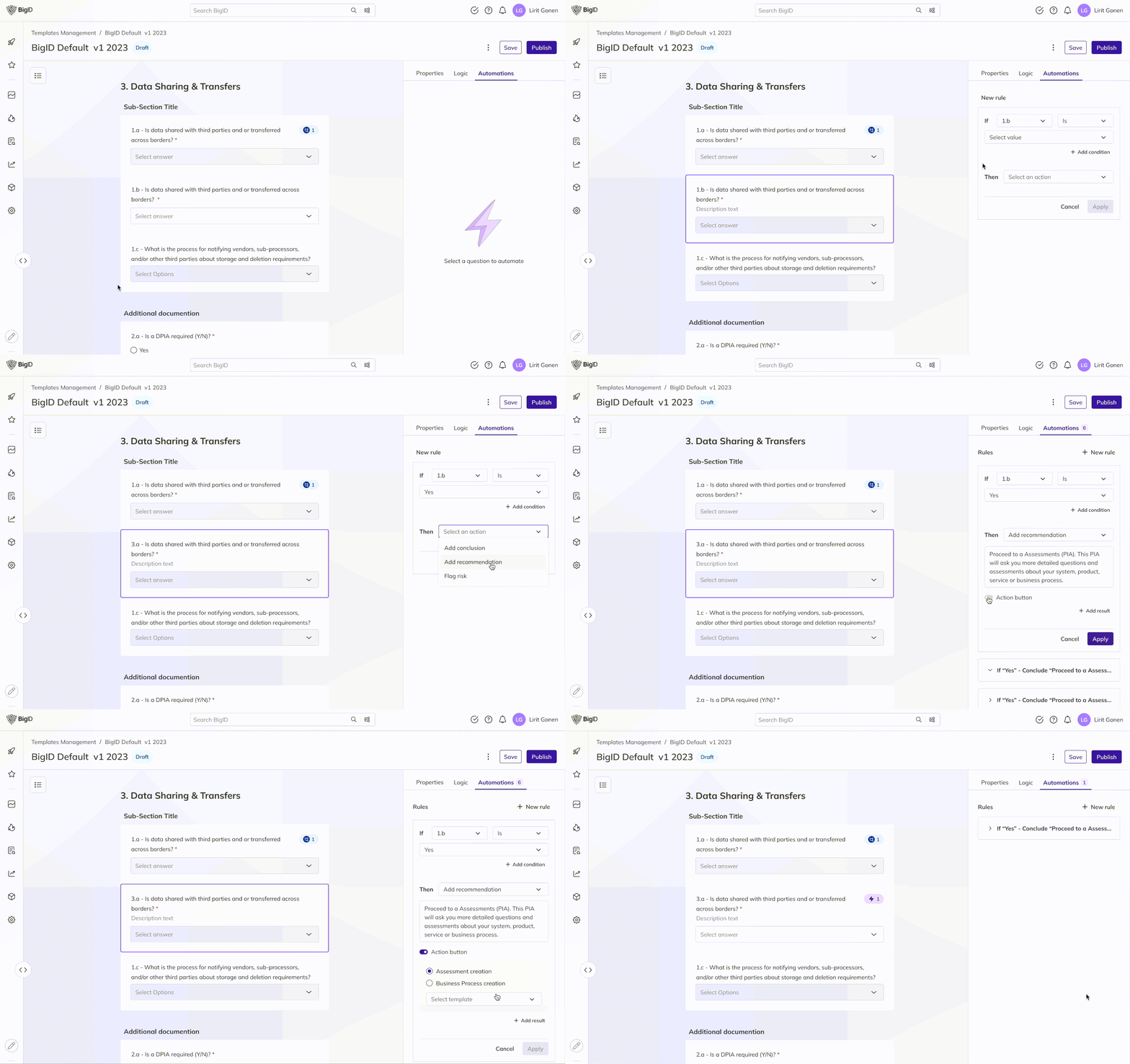
Within the automation tab, the user selects specific questions and applies logic to create a rule
The system runs in the background, instantly flagging risks based on the defined rules.
This framework allows users to build and audit the automation engine, ensuring technical precision is balanced with long-term data integrity.
A visual interface used to combine assessment questions with AND/OR logic. By visualizing Boolean triggers, the system makes complex risk detection accessible to non-technical stakeholders without requiring code.
A dedicated management flow for auditing and removing rules. This governance ensures that as regulations change, outdated criteria can be deleted to maintain system accuracy and prevent the flagging of obsolete data.
System Logic & Governance
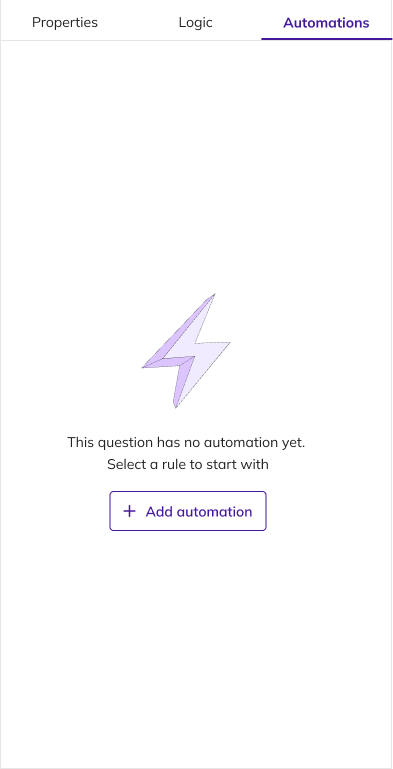
To manage cognitive load and avoid "alert fatigue," the side panel utilizes three specific states to guide the user through the automation process:
Panel States & Visual Feedback
Significant reduction in the average time required to review an assessment.
Improved consistency in how risks are identified across different teams.
Higher trust in the process due to the clear relationship between rules and flags.
The system supports a higher volume of assessments without increasing manual headcount.
Impact & Results